Provence, poured in Australia

The Australian home of Provence wine

Clear guides, thoughtful tastings, and the people and places behind Provence wines—from a Provence-born perspective in Sydney.

We fell in love with Provence.
Its landscapes of incredible light, its quiet beauty, and exceptional wines.
Its way of making time slow down.
Now, we bring that love to Australia.
This is an ode to le temps suspendu—a moment to simply pause and savor.

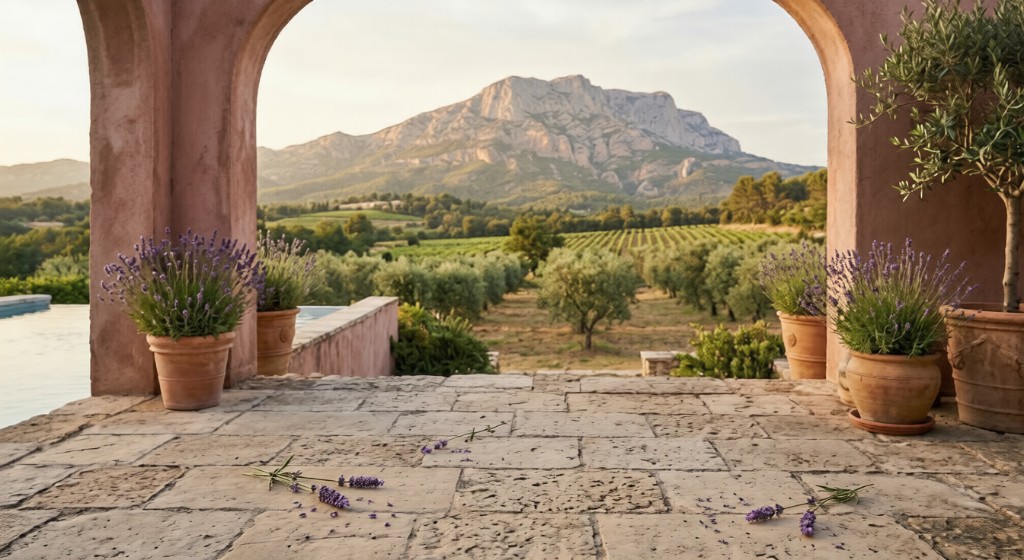
I was born and raised in Provence, a magical region in the South East of France — a land defined by its unique light, pine trees, lavender fields, and the unmistakable scent of the garrigue.

At the heart of my story is Vérande, our family home — a timeless Provençal bastide built by my father over 40 years ago. There, summers unfolded to the gentle hum of cicadas, and days slipped effortlessly into long, sun-drenched lunches on the terrace. Tables filled with seasonal dishes, easy conversation, and wine always at the centre — moments of pure, understated luxury.

As an international traveller, my sense of adventure eventually led me to the shores of Australia. And yet, Provence has never left me. It lives quietly within me — in my memories, and in the way I choose to savour life. Provence is my Arcadia. A place where true luxury lies in authenticity, in simplicity, and in the art of slowing down.

Through the Provence Wine Club, I invite you into this world — a curated expression of Provence, its wines, its lifestyle and its timeless spirit.

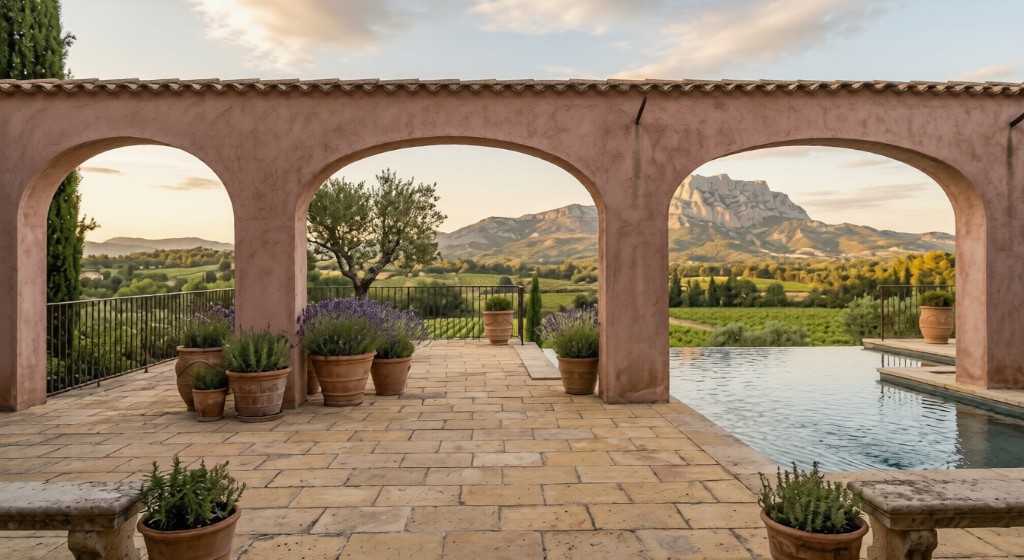
A Provençal villa with stone arches framed by lavender

A living heritage of vineyards,
savoir-faire, and terroir
since antiquity

When the ancient Greeks planted vines along the Mediterranean coast in 600 BC, they didn't know they were founding what would become France's oldest wine region—and the birthplace of rosé as we know it.

Provence sits at the southeastern tip of France, stretching 200 kilometres from the Italian border to the Rhône. Here, three thousand hours of annual sunshine, the cooling Mistral wind, and a mosaic of limestone, clay, and schist soils shape a wide range of coastal and inland terroirs.

The three appellations represented by Vins de Provence specialise in rosé, which accounts for about 89% of their production according to its 2024–25 campaign figures. Alongside this signature style, Provence also produces distinctive white and red wines, from coastal Cassis whites to structured, Mourvèdre-led Bandol reds.

2,600 Years of winemaking heritage

Understand what you're drinking

01

How Provence Rosé is Made

Provence rosé is generally made deliberately rather than as a by-product of red wine. Grapes may be picked during cooler hours and handled carefully to protect freshness. Two important approaches are direct pressing (pressurage direct), which limits skin contact, and short skin maceration before pressing. Temperature-controlled fermentation, blending and, for some cuvées, ageing then shape the finished wine. Producers make different choices, so Provence rosé is not one colour, aroma or texture.

Winemaking
02

The Terroir of Provence

Provence is a land of contrasts. The Mistral wind can help dry vineyards after rain, while the Mediterranean influences many coastal sites. Limestone and clay are important in the west and north; crystalline soils occur farther east. Altitude, exposure and distance from the sea vary across the region. Those differences help explain why Bandol, Cassis, Côtes de Provence and the other appellations do not produce one uniform style.

Terroir
03

Provence in Three Colours

Rosé may be Provence's signature, but it is only one expression of the region. Provence also produces beautiful white wines—fresh, textured, and scented with citrus, flowers, and Mediterranean herbs—alongside distinctive red wines with dark fruit, spice, and garrigue. Across all three colours, the wines share an unmistakable sense of sunlight, sea air, and place.

The Wines of Provence
04

The Grapes of Provence

Provence rosé is typically a blend, and each grape brings its voice. Grenache offers warmth and red berry fruit. Cinsault brings delicacy and floral notes. Mourvèdre adds structure and savoury depth. Syrah contributes spice and colour. And Tibouren, a local hero, brings the wild herb character that is unmistakably Provençal. Together, they create wines of remarkable harmony.

Grapes
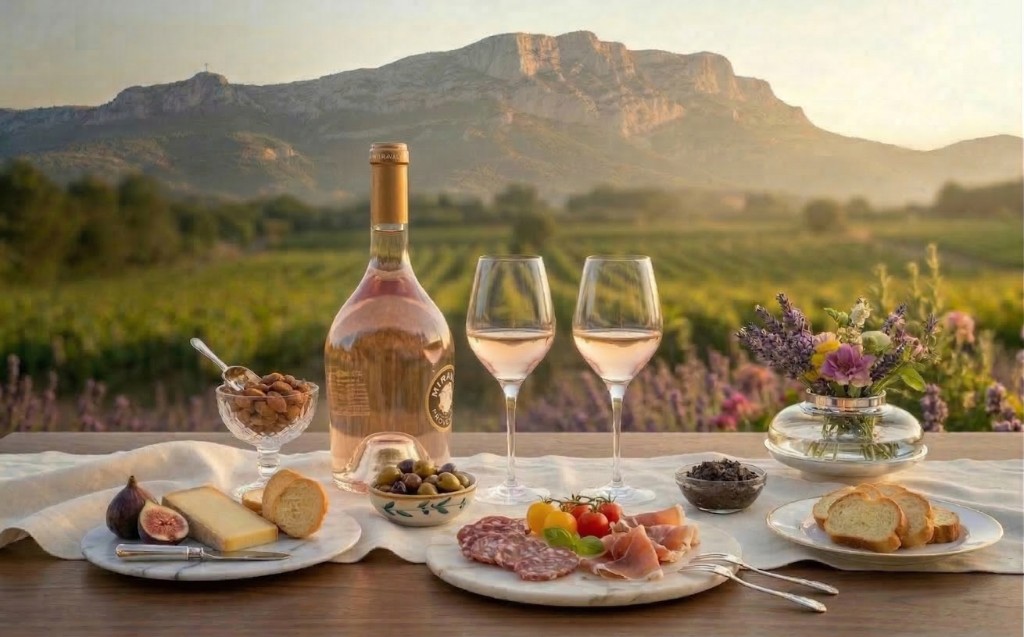
Long table dining among the vines with rosé

Convivialité.
Partage.
Le temps suspendu.

In Provence, wine isn't poured—it's shared. It arrives at the table with bread and olive oil, with laughter and the sound of cicadas. It turns an ordinary Tuesday into something worth remembering.

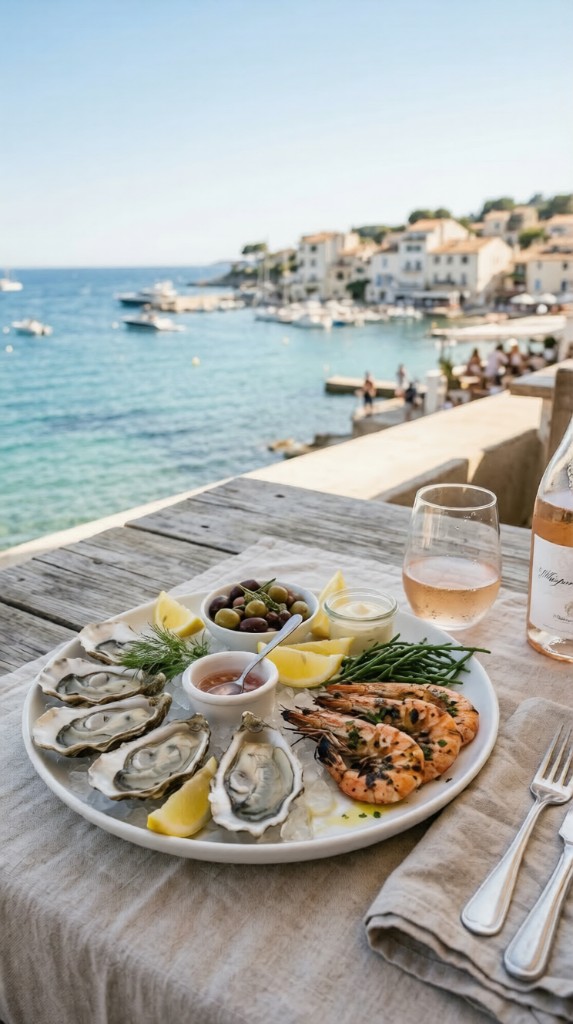
Fresh seafood served with rosé by the coast

A table sous le soleil

Mediterranean cuisine finds its perfect partner in Provençal rosé. The wine's bright acidity and subtle structure make it one of the most versatile food wines in existence.

Salade Niçoise with its anchovies, olives, and tuna—the wine's salinity mirrors the sea. Bouillabaisse, that magnificent Provençal fish stew, needs nothing more than a chilled glass of pale rosé to complete it. Grilled sardines, tapenade on sourdough, goat cheese with herbes de Provence, pissaladière—each dish finds its echo in the wine.

Even beyond the Mediterranean table, rosé's versatility surprises. Thai curry. Sushis. Cheeses. When you stop thinking of rosé as a summer-only sipper, a world of pairing opens up.

Experience Provence, here in Australia

Guided private, corporate and hospitality tastings across Sydney and the Northern Beaches.

Private
Guided tasting

Understanding Provence

Compare appellations, grapes and styles while learning the language of terroir, blending and the stories behind each glass.

Sydney Northern Beaches
Learn more
Teams
Corporate & hospitality

Wine Education for Your Group

An inclusive sensory experience for colleagues, clients or venue teams, adapted to the group's level and occasion.

Sydney Northern Beaches
Learn more

Private events, corporate tastings, and collaborations available.

Explore tastings →

Stories from the South

Questions about Provence wine

What makes Provence rosé distinctive?

Provence has specialised in dry rosé over many generations. Mediterranean conditions, varied coastal and inland terroirs, blending and careful temperature-controlled winemaking can produce fresh, pale wines, but colour alone does not determine origin, sweetness or quality.

What food goes well with Provence rosé?

Fresh Provence rosé can suit oysters, prawns, grilled fish, salade Niçoise and tapenade. More structured rosé can work with bouillabaisse, roast poultry or lamb. Match the wine's body, acidity and savoury character to the dish rather than relying on colour alone.

Do you host Provence wine tastings in Sydney and the Northern Beaches?

Yes. Provence Wine Club accepts enquiries for guided private, corporate and hospitality tastings across Sydney, with a particular focus on the Northern Beaches. Sessions can cover Provence rosé, red and white wine.

What happens in a Provence wine education session?

A session can introduce Provence appellations, grape varieties, winemaking, tasting, serving and food pairing. It is designed for curious wine lovers, private groups, corporate teams and hospitality professionals, with no prior wine knowledge required.

First access to everything

Stories, Sydney event invitations, tasting notes, and a little piece of Provence in your inbox.

No spam. Unsubscribe anytime. We respect your inbox as much as we respect a good rosé.

or

Enquire about a private event